Sustainable Solutions: How E-Waste Recycling Services Are Saving Our Planet
E-waste represents a considerable hazard to the environment, as abandoned electronic devices commonly carry harmful materials. These toxic materials have the potential to taint soil and water sources, causing extensive damage to surrounding ecosystems. E-waste recycling services present a viable solution. They not only recover valuable resources but also mitigate pollution. Comprehending the operation of these services and their influence on communities is of great importance. The path to successful electronic waste management prompts vital discussions about personal accountability and communal efforts. What measures can be pursued from this point onward?
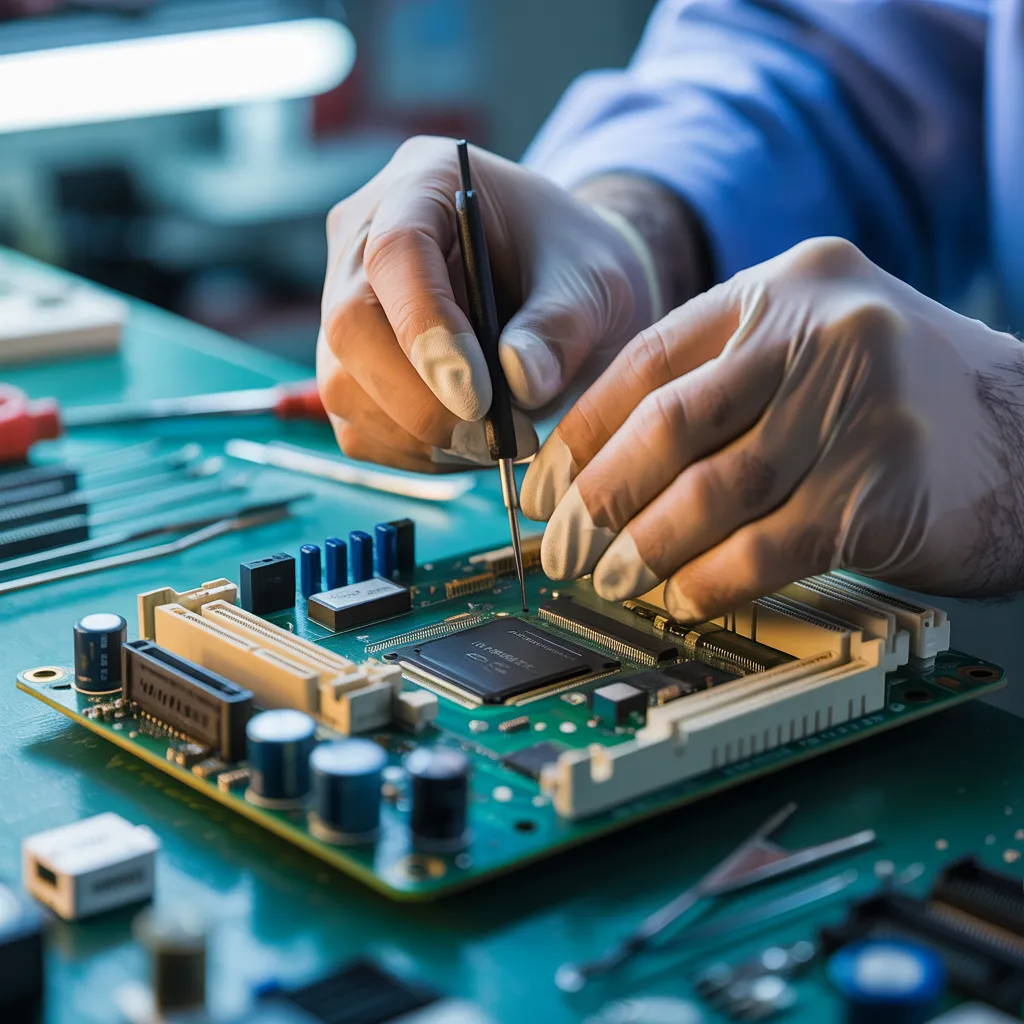
The Reasons E-Waste Is Damaging to the Planet
Even though technology enriches our daily lives, electronic waste presents serious threats to the environment. Discarded electronic devices, commonly laden with dangerous compounds like lead, mercury, and cadmium, can leach toxins into soil and groundwater, posing risks to human health and ecosystems. The rapid pace of technological advancement results in higher rates of electronics disposal among consumers, worsening the buildup of discarded electronic materials.
Landfills, already burdened with waste, struggle to accommodate the growing volumes of discarded gadgets. Incineration, another disposal method, releases harmful pollutants into the atmosphere, contributing to air quality degradation. Moreover, poor recycling procedures can cause e-waste to be sent to developing regions, where employees may disassemble electronics without sufficient safety precautions, leaving them vulnerable to harmful substances. This cycle of neglect and improper handling underscores the urgent need for sustainable recycling solutions that can mitigate the adverse effects of e-waste on the planet.
Understanding E-Waste and Its Significance
E-waste, also referred to as electronic waste, encompasses discarded electronic devices including televisions, computers, and smartphones that are no longer functional or needed. This growing category of waste is significant due to its rapid accumulation, fueled by innovation in technology and shifting consumer habits. With an increasing number of devices reaching obsolescence, the toll on the environment grows more severe, with dangerous elements including lead, mercury, and cadmium threatening both ecosystems and public health.
Addressing e-waste is crucial not only for reducing these dangers but also for acknowledging the precious materials found within it. Precious metals and rare earth elements can be recovered and reused, reducing the need for mining and conserving natural resources. With a thorough understanding of e-waste and its impact, people and organizations alike can make educated decisions about disposal and recycling, helping to build a more sustainable world. Responsible management of Begin here e-waste plays a key role in supporting a circular economy and championing environmental stewardship.
How the E-Waste Recycling Process Works
Recycling e-waste involves an organized procedure intended to extract beneficial components while minimizing environmental impact. Initially, e-waste is collected and transported to specialized recycling facilities. Once there, the electronics are carefully categorized to separate hazardous components from recyclable materials.
Next, specialists take apart the devices, recovering metals, plastics, and glass. This stage is crucial, as it enables the retrieval of rare metals like gold, silver, and copper, which may be utilized in modern electronics.
Next, the sorted materials are treated with cutting-edge techniques, such as shredding and specialized chemical treatments, to cleanse them for recycling.
Finally, the leftover hazardous waste is handled with responsibility, complying with environmental regulations. This multi-step approach not only preserves valuable resources but also reduces the dangers connected to improper e-waste disposal, guaranteeing a greener future for the consumption of electronics.
Benefits of E-Waste Recycling for You and Your Community
While many individuals may not realize it, the benefits of e-waste recycling go far beyond individual benefit and actively shape entire communities. By responsibly disposing of electronic waste, individuals play a role in creating a safer environment, minimizing harmful substances that can seep into soil and water. This forward-thinking practice works to protect local ecosystems and supports public health.
Additionally, e-waste recycling fosters the creation of jobs in communities. Nearby recycling establishments regularly need employees for a range of functions, covering everything from collection to processing, therefore offering work opportunities for community members. This not only stimulates the local economy but also inspires community dedication to sustainable efforts.
Furthermore, familiarity with e-waste recycling may result in community outreach programs, equipping residents to adopt eco-friendly choices. By participating in e-waste recycling programs, individuals cultivate a culture of sustainability, prompting others to join the movement. In summary, the collective impact of these actions can lead to a more sustainable and conscientious community.
Tips for Choosing an E-Waste Recycling Service
Selecting the right e-waste recycling service is crucial for ensuring that e-waste is handled in a responsible and sustainable manner. First, consumers should confirm the company's credentials, such as R2 or e-Stewards, which signify compliance with professional guidelines for safe recycling practices. It's also important to evaluate the organization's reputation by checking reviews and obtaining recommendations from trusted sources.
Furthermore, clarity in the recycling process is essential. A dependable service should provide clear information about the way e-waste is handled and how the materials are utilized. Furthermore, considering the scope of services provided can prove valuable; some companies may provide pickup services or offer incentives for recycling.
In addition, understanding area-specific requirements for e-waste disposal can further guide the selection process. Through focusing on these key aspects, people are able to support effective e-waste management as well as promoting green and responsible behaviors.
Ways You Can Participate in E-Waste Recycling?
Getting involved with e-waste recycling often starts at the local level, where recycling centers often provide essential services for proper disposal. Moreover, joining community awareness campaigns can strengthen efforts to educate others about the importance of responsible e-waste management. These actions not only encourage sustainable practices but also foster a collective sense of stewardship of the environment.
Nearby Recycling Facilities
Several local recycling centers serve a vital function in e-waste recycling, providing communities with accessible options to handle electronic waste in a responsible manner. These facilities handle a selection of electronic items, including used computers, handheld devices, and televisions, guaranteeing that dangerous substances are processed safely. The majority of facilities employ experienced team members who support individuals in understanding proper disposal practices, emphasizing the importance of recycling over landfilling. Furthermore, various hubs coordinate planned drop-off gatherings or set collection days, enabling residents to engage without difficulty. Through the use of these community services, individuals contribute to a circular economy, lowering environmental harm and encouraging sustainable habits. Connecting with these stations allows communities to address e-waste pollution proactively.
Public Awareness Initiatives
Community groups, educational institutions, and companies can collaborate to host events that promote e-waste collection drives. Volunteers can play a pivotal role in raising awareness, sharing informational resources, and connecting with local residents. Through these collective efforts, residents become more informed and motivated to recycle their electronic waste, ultimately contributing to a more sustainable future.
Common Questions and Answers
Which Types of Electronics Are Recyclable?
A wide range of electronics are able to be recycled, including laptops, televisions, smartphones, printers, computers, and gaming consoles. In addition, accessories such as mice, keyboards, and batteries are well-suited for recycling, promoting sustainable environmental practices.
Is There a Cost Associated With E-Waste Recycling?
Yes, e-waste disposal may involve costs, based on the provider. Some facilities apply costs for collection or processing, while some providers provide no-cost solutions, often subsidized by the proceeds from salvaged materials.
What Are the Benefits of E-Waste Recycling for Businesses?
Companies can take advantage of e-waste recycling by lowering disposal expenses, improving their green reputation, complying with regulations, reclaiming useful materials, and possibly earning income through resale, ultimately contributing to a more sustainable operational strategy.
What Occurs with Data on Recycled Devices?
Data regarding recycled electronics is commonly irretrievably wiped or obliterated during the refurbishment process. This ensures confidential data is kept safe, stopping improper access while allowing materials to be recycled securely and sustainably within new applications.
Can I Recycle Broken Electronics?
Absolutely, broken electronics are able to be recycled. Numerous collection points accept defective devices, ensuring proper disposal and recovery of useful materials. Doing so helps reduce harm to the environment while supporting responsible recycling practices to handle electronic waste responsibly.